Expert Carpenter for Made-to-Order Woodwork Solutions
An skilled carpenter performs a crucial role in bespoke woodwork services. Their expertise guarantees that projects are completed with precision and innovation. From custom cabinetry to distinctive shelving, these craftspeople transform ideas into practical pieces. Recognizing the qualities that define a skilled carpenter can greatly affect the outcome of a project. Knowing how to effectively collaborate and budget is equally important. What essential elements should one consider when starting such a bespoke undertaking?
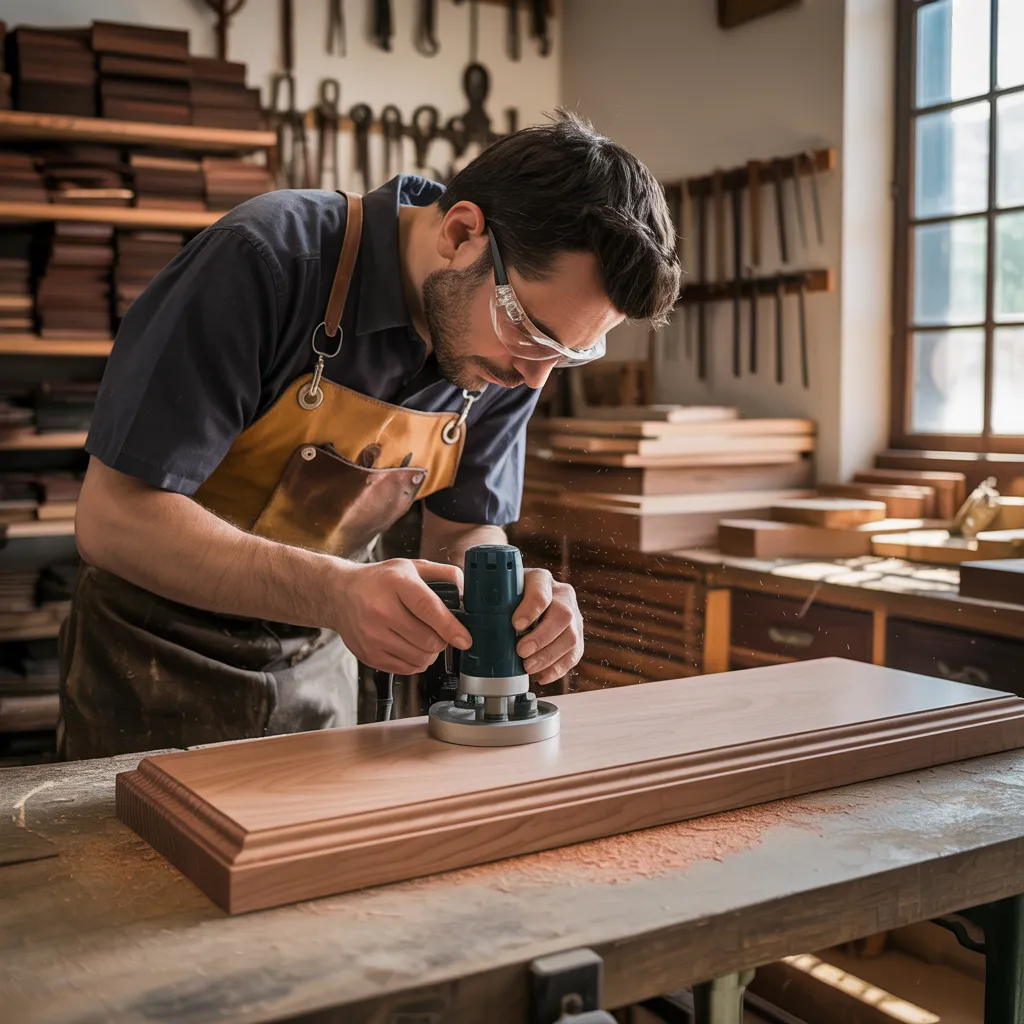
Why Choose a Seasoned Carpenter for Custom Woodwork?
Selecting an experienced carpenter for made-to-order wood projects can significantly improve the caliber and aesthetics of a project. Mastery in woodworking ensures that each component is created with precision, careful attention to detail, and a deep understanding of the materials used. Experienced woodworkers have the necessary tools and techniques to convert ideas into functional art, whether it involves cabinetry, furniture, or decorative items. Their expertise enables them to anticipate potential challenges and offer inventive solutions, resulting in a final product that matches the client’s vision. Furthermore, a proficient carpenter provides valuable recommendations regarding wood types, finishes, and design styles, enhancing the overall result. Investing in a qualified craftsman typically leads to exceptional craftsmanship that stands the test of time, combining both beauty and longevity. In the end, selecting a skilled carpenter is vital for obtaining high-quality custom woodwork that enhances any environment.
Browse Custom Woodwork Options to Transform Your Space
Custom woodwork options provide an range of possibilities for improving any room, allowing homeowners to personalize their environments with unique designs. From custom-made cabinetry to detailed moldings, custom woodwork can transform ordinary rooms into extraordinary ones. customized solutions such as built-in shelves, decorative mantels, and custom furniture can optimize functionality while enhancing visual appeal.
Homeowners can select from multiple wood types, finishes, and styles to craft a unified look that complements their current decor. The flexibility of wood allows for both contemporary and traditional designs, appealing to varied tastes. Additionally, tailored wood solutions can meet particular requirements, such as boosting storage capacity in compact areas or designing unique focal points in spacious rooms.
Important Traits to Consider in Your Carpenter
When initiating a custom woodwork project, it is essential to locate a carpenter who possesses key qualities that guarantee both quality craftsmanship and clear communication. Above all, experience is important; a seasoned carpenter brings precious skills and insights that can improve the project. Meticulous precision is another key quality, as precision can significantly affect the final result. Moreover, creativity is significant, enabling the carpenter to suggest innovative solutions that align with the client's vision.
Reliability plays an important role; a dependable carpenter adheres to schedules and maintains project timelines, guaranteeing a smooth workflow. Strong communication skills are crucial, as they enable clear discussions about ideas, expectations, and potential challenges. Finally, a good carpenter should show a dedication to customer satisfaction, focusing on the client's needs and preferences throughout the project. By seeking these qualities, clients can secure a successful collaboration and exceptional custom woodwork outcomes.
How to Collaborate With Your Carpenter on Creative Concepts?
Productive collaboration with a carpenter begins by clearly conveying design visions. This candid communication permits for a productive exchange of ideas, where both parties can participate inventively. Embracing the carpenter's expertise can point to innovative solutions that advance the overall project.
Share Your Ideas
How can homeowners ensure their design concepts are properly conveyed to their carpenter? Direct communication is crucial for successful collaboration. Homeowners should begin by creating visual materials, such as drawings, photos, or mood boards, to illustrate their concepts. This helps bridge any differences between vision and implementation. Additionally, related article reviewing specific dimensions, supplies, and finishes ensures that expectations align. Frequent meetings during the design process foster an transparent conversation, enabling for adjustments and clarifications as needed. Homeowners should also be receptive to input, as carpenters often possess important knowledge from their background. By establishing a teamwork environment, homeowners can ensure their vision is not just shared but also understood and realized successfully by their experienced woodworker.
Embrace Creative Input
Partnering with a carpenter creates opportunities for creative design solutions that can transform any assignment. Successful collaboration relies on clear communication, where clients convey their goals and tastes while staying receptive to the skilled artisan's insight. Providing rough drawings, inspiration collections, or design photos can supply meaningful perspective, enabling the carpenter to grasp the envisioned appearance and performance.
Furthermore, participating in brainstorming sessions promotes a creative dialogue, where both parties can explore unique ideas and alternatives. The carpenter's experience can result in practical suggestions that improve the original vision, guaranteeing the final product is both beautiful and functional. Ultimately, embracing creative input transforms a simple project into a personalized masterpiece, showcasing the distinct style and needs of the client.
How to Budget for Your Custom Woodwork Project?
What elements should one consider when planning finances for a custom woodwork project? First, the choice of resources notably impacts costs. High-quality wood, hardware, and finishes can elevate the project's price. Second, the complexity of the design should be assessed; detailed patterns or custom features demand more time and skill, which can raise labor costs.
Moreover, the extent of the project constitutes an indispensable aspect; substantial pieces by nature demand more materials and exertion. One must also keep in mind potential ancillary outlays, such as permits or installation fees.
Finally, incorporating a buffer for unexpected costs ensures the project stays within budget. By carefully evaluating these factors, one can develop a realistic budget that reflects both the desired quality and the constraints of available funds. Advance planning and working with a skilled carpenter can further aid in refining the budget, enabling a successful custom woodwork project.
The Long-Term Benefits of Personalized Woodwork Craftsmanship
Allocating investment in personalized wood installations transcends immediate costs, supplying remarkable lasting worth that can amplify both aesthetics and functionality in a space. Refined craftsmanship guarantees stability, often outlasting mass-produced alternatives. Made-to-order items are designed to fit individual requirements, fine-tuning spatial usage and improving organization, which can facilitate increased property value.
Additionally, the distinctive quality of handcrafted wood elements adds a tailored aesthetic that improves the ambient quality of a business space or residence. This bespoke quality often captivates buyers and can enable a property stand out in the competitive market.
Additionally, artisan woodwork allows the use of renewable materials, supporting green living. Clients typically find that the investment pays off through reduced maintenance costs and the classic appeal of custom-made items. Fundamentally, artisan woodwork is not simply a transaction; it's a pledge to craftsmanship and personal expression that can yield significant returns over time.
Frequently Requested Questions
What Types of Wood Are Ideal for Custom Projects?
Hardwoods like oak, maple, and cherry are ideal for custom projects due to their durability and visual beauty. Softwoods such as pine and cedar are also favored for their workability and affordability in various applications.
How Much Time Does a Bespoke Wood Project Typically Require?
A custom woodwork undertaking usually requires anywhere from a few days to several weeks, depending on complexity, materials, and craftsmanship required. Schedules may fluctuate significantly according to the project's specific requirements and the carpenter's workload.
Can I see examples of Your Past Work?
A gallery featuring assorted projects offers illustrations of previous work. Keen individuals can view photographs and descriptions that highlight craftsmanship and style, revealing the range and standard of finished tailored woodwork projects.
What Guarantees Do You Provide on Your Bespoke Woodwork?
Yes, warranties are supplied on made-to-order wood products, assuring outstanding quality and sustained durability. This declaration shows conviction in craftsmanship, enabling clients to have confidence in their outlay, realizing that any complications will be taken care of right away.
How Do You Navigate Revisions During the Project?
During the project, modifications are managed through teamwork and honest discussion. The carpenter reviews adjustments alongside the client, ensuring all alterations remain faithful to the original vision while incorporating any new requests or requirements effectively.